
5 Warning Signs You Need Your Wisdom Teeth Removed
Wisdom teeth, also known as third molars, are the last set of teeth to erupt, typically appearing between the ages of 17 and 25. While some people’s wisdom teeth grow in perfectly aligned and healthy, for many others, there isn’t enough room in the jaw. This lack of space causes wisdom teeth to become impacted (trapped under the gums or bone) or erupt at crooked angles.
If left untreated, problematic wisdom teeth can damage neighboring molars, lead to painful infections, and disrupt orthodontic alignment.
Here are the top 5 warning signs that it is time to have your wisdom teeth evaluated for removal.
1. Pain or Stiffness in the Jaw
One of the most common signs of wisdom teeth issues is a persistent ache or pressure in the back of your jaw. This pain can radiate to your ear, neck, or cheek. You might also notice stiffness, making it difficult to open your mouth fully or chew comfortably.
2. Red, Swollen, or Bleeding Gums
As a wisdom tooth tries to push through the gums, it can create a small flap of gum tissue. Food particles and bacteria easily get trapped beneath this flap, leading to a painful infection known as pericoronitis. This causes the gums at the back of your mouth to become red, swollen, tender to the touch, and prone to bleeding.
3. Persistent Bad Breath (Halitosis)
Because wisdom teeth are located at the very back of the mouth, they are notoriously difficult to clean. If a wisdom tooth is partially erupted, it creates a breeding ground for bacteria. If you notice a persistent bad taste in your mouth or chronic bad breath that doesn’t go away after brushing and mouthwash, it could be due to bacterial buildup around your wisdom teeth.
4. Damage or Pain in Neighboring Teeth
If a wisdom tooth grows horizontally or at an angle, it pushes directly against the roots of your second molars. This constant pressure can cause root resorption, damage the adjacent teeth, and lead to cavities that are difficult to treat. In severe cases, both the wisdom tooth and the damaged second molar may require Extraction.
5. Sinus Pain, Pressure, or Congestion
This is a lesser-known symptom, but wisdom teeth in the upper jaw can cause sinus issues as their roots grow. They can press against your sinuses, leading to headaches, sinus pressure, congestion, and nasal pain.
What should you do?
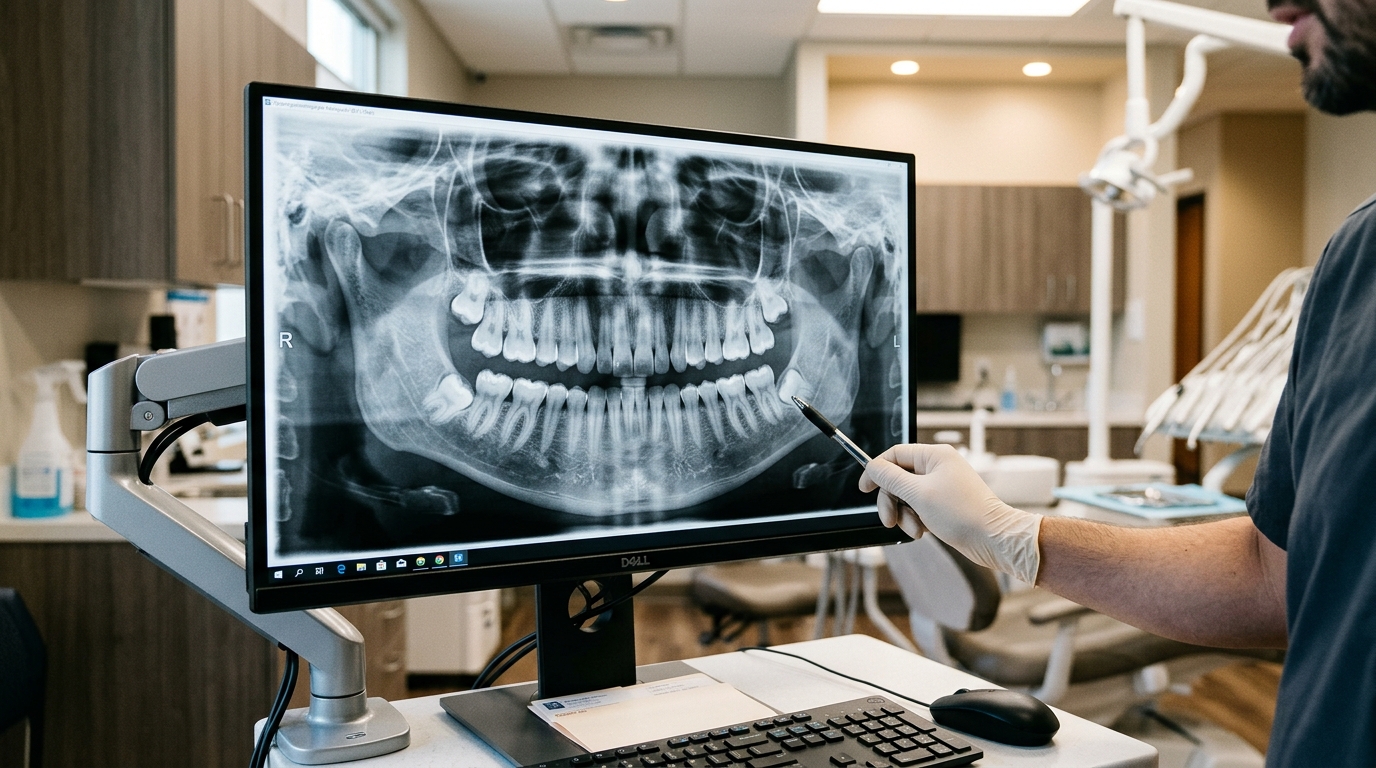
If you are experiencing any of these symptoms, it is important to get a digital panoramic X-ray. At One Smile Dental Care, we can assess the position of your wisdom teeth and perform gentle, safe extractions if necessary, protecting your smile from future complications.
Related Treatments
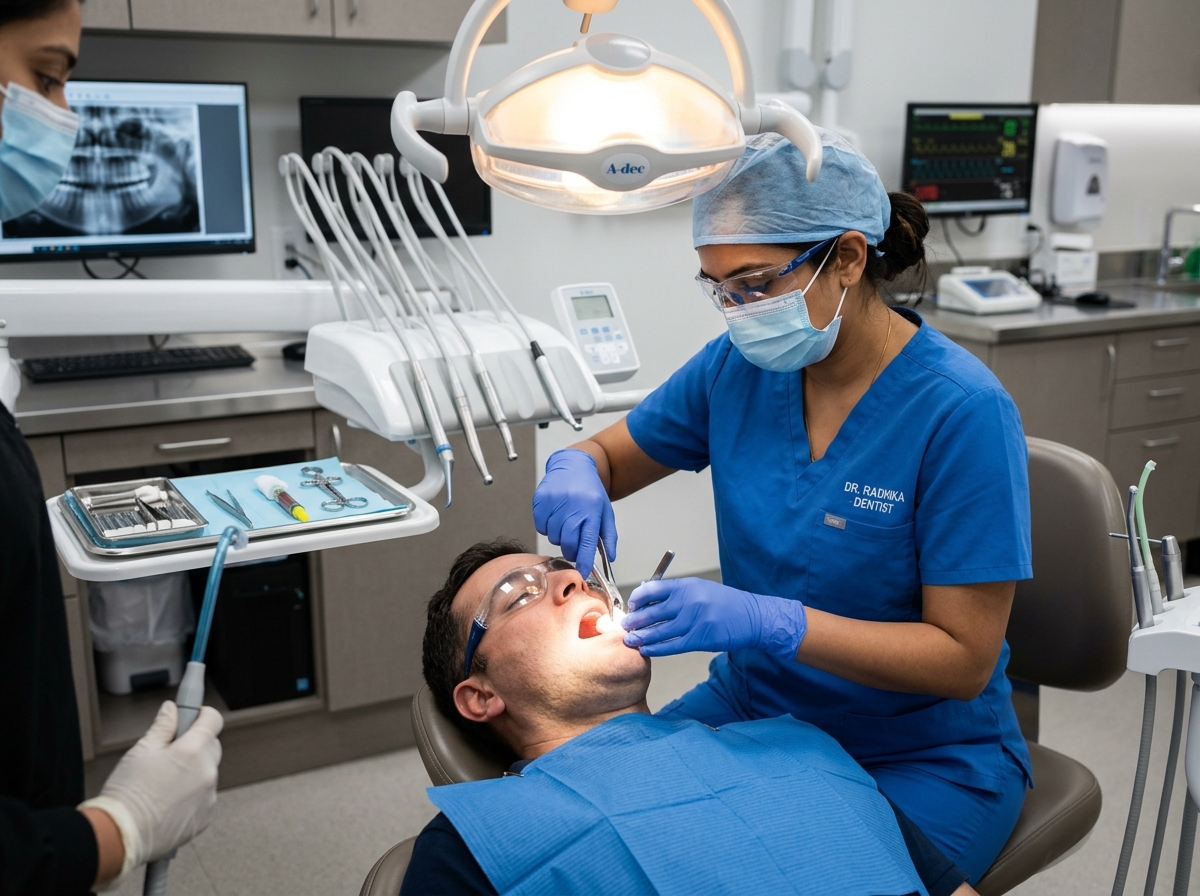
Gentle Tooth Extractions
Safe removal of severely damaged, decayed, or crowded teeth, including wisdom teeth. We prioritize your comfort and quick healing.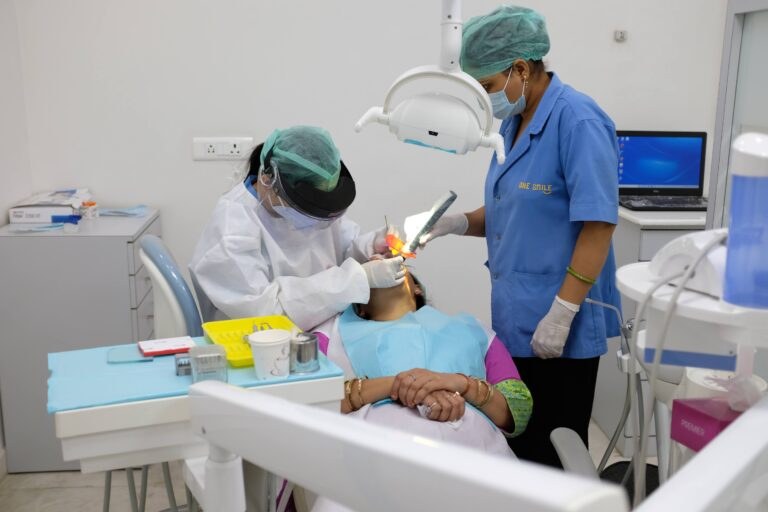
Root Canal Treatment
Save a severely decayed or infected tooth from extraction. Our modern, pain-free root canal treatment eliminates pain and repairs your natural tooth.Concerned about your smile?
Schedule a personalized consultation with Dr. Radhika to discuss your treatment options.
Book via WhatsApp